

Introduction: Mountain Climbing in Tanzania
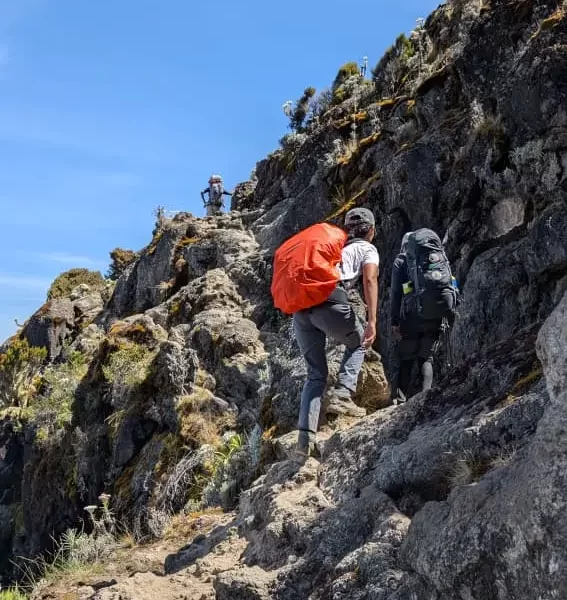
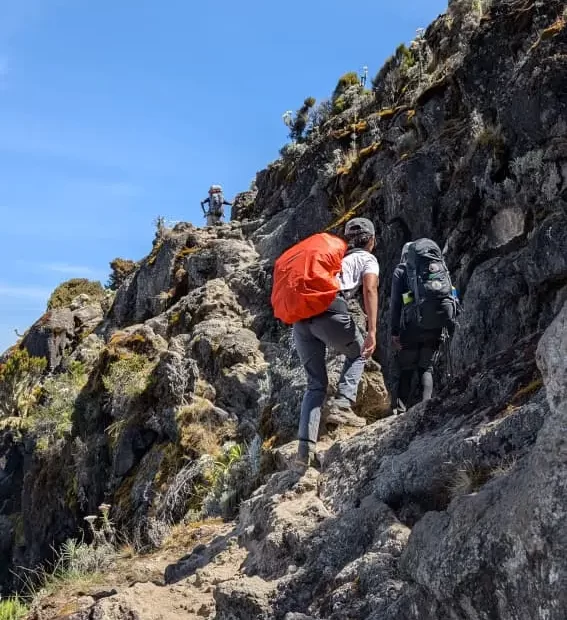
Mountain climbing is one of the most exciting adventure activities in Tanzania, attracting travelers from all over the world. The country is home to some of Africa’s most iconic mountains, offering a unique combination of breathtaking landscapes, rich biodiversity, and challenging terrains. From snow-capped peaks to volcanic slopes, Tanzania provides diverse climbing experiences suitable for both first-time climbers and experienced mountaineers.
What makes mountain climbing in Tanzania special is not only the height of its mountains but also the well-organized trekking system, professional local guides, and strong focus on safety and environmental conservation. Climbers have the opportunity to pass through different ecological zones, including rainforests, alpine deserts, and high-altitude glaciers, all within a single journey. This diversity makes every climb educational, adventurous, and unforgettable.
Mountain climbing in Tanzania is also closely connected to local culture and tourism. Most climbs are led by trained local guides and supported by porters from nearby communities, making the activity an important source of employment and sustainable tourism development. For many visitors, climbing a mountain in Tanzania is not just about reaching the summit, but about experiencing nature, culture, and personal achievement in one remarkable adventure.
Best Mountains for Climbing in Tanzania
Tanzania is one of Africa’s top destinations for mountain climbing due to its variety of peaks, landscapes, and difficulty levels. The country offers mountains suitable for beginners, intermediate climbers, and experienced adventurers. Each mountain provides a unique climbing experience, shaped by its geography, climate, and natural surroundings.
Mount Kilimanjaro
Mount Kilimanjaro is the highest mountain in Africa and the most famous climbing destination in Tanzania. Standing at 5,895 meters above sea level, it attracts thousands of climbers every year. One of the unique features of Mount Kilimanjaro is that it is a free-standing mountain and does not require technical climbing skills, making it accessible to determined beginners. Climbers experience multiple climate zones, from tropical rainforest to alpine desert and icy summit conditions. Reaching Uhuru Peak is considered a major personal achievement and a once-in-a-lifetime adventure.

Mount Meru
Mount Meru is the second-highest mountain in Tanzania and is located within Arusha National Park. Rising to 4,566 meters, it offers a quieter and less crowded climbing experience compared to Kilimanjaro. Mount Meru is often recommended as an acclimatization climb before attempting Kilimanjaro, but it is also a rewarding challenge on its own. The climb passes through scenic landscapes with wildlife such as giraffes, buffaloes, and colobus monkeys, providing a unique blend of mountain trekking and safari experience.
Ol Doinyo Lengai
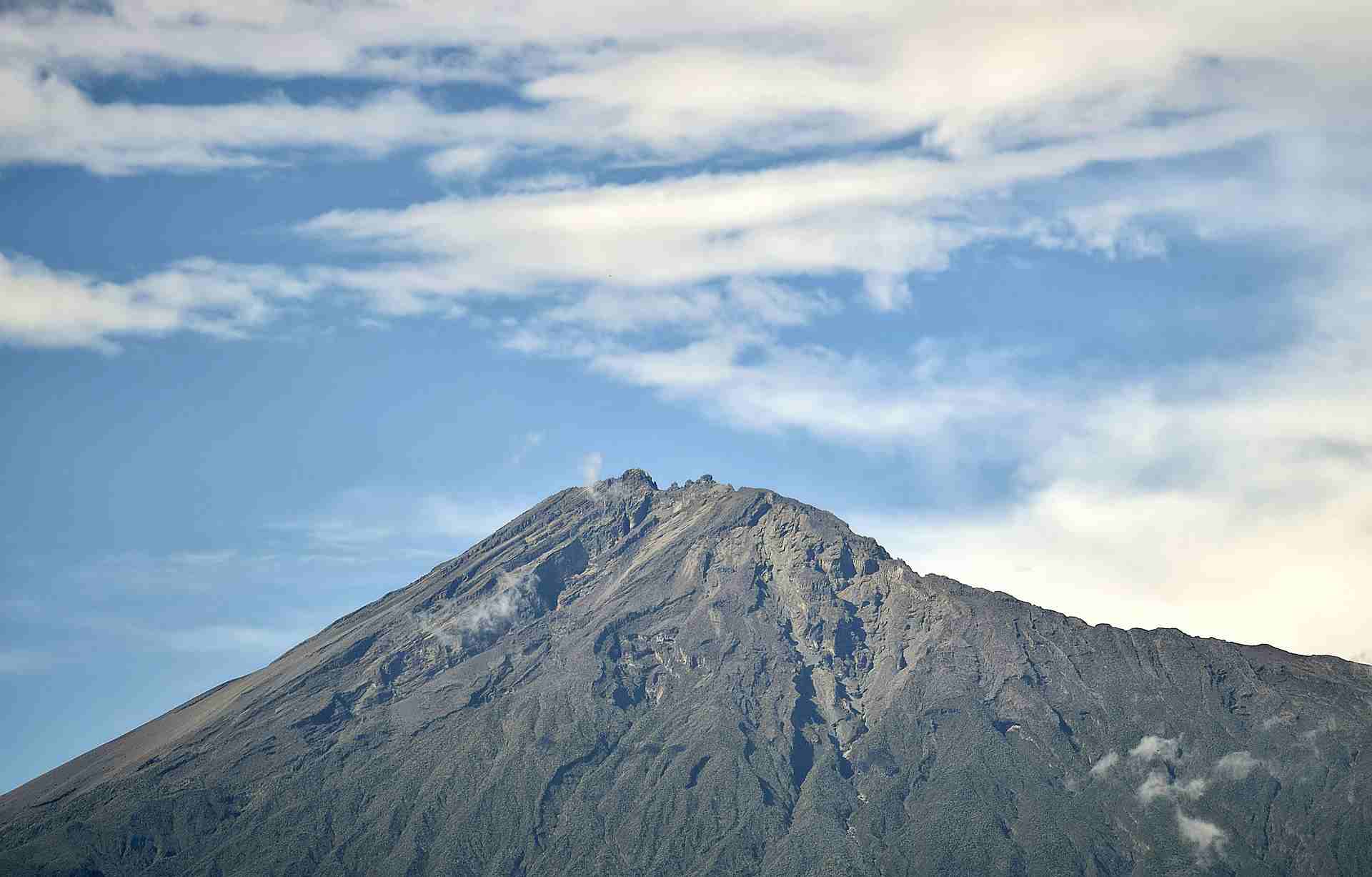
Ol Doinyo Lengai is an active volcanic mountain located near Lake Natron in northern Tanzania. It is considered sacred by the Maasai people and is known as the “Mountain of God.” The climb is steep and demanding, suitable for adventurous and physically fit climbers. Unlike other mountains in Tanzania, Ol Doinyo Lengai offers a volcanic climbing experience, with views of lava flows and dramatic landscapes. It is ideal for travelers seeking a unique and challenging adventure off the beaten path.

Best Time for Mountain Climbing in Tanzania
Choosing the right time for mountain climbing in Tanzania is essential for safety, comfort, and overall success of the climb. Weather conditions, rainfall, and visibility all play an important role in determining the best climbing seasons. While some mountains can be climbed throughout the year, certain months offer more favorable conditions than others.
The best time for mountain climbing in Tanzania is during the dry seasons, which occur from January to March and June to October. During these periods, the weather is generally stable, trails are drier, and visibility is clear, making the climb safer and more enjoyable. These months are especially popular for Mount Kilimanjaro and Mount Meru.
The January to March season is characterized by warmer temperatures and fewer climbers on the mountains. This period is ideal for travelers who prefer a quieter experience and are comfortable with occasional light rainfall at lower altitudes. It is also a good time for climbers seeking clear views and relatively calm weather.
The June to October season is the most popular time for mountain climbing due to cool temperatures, low rainfall, and excellent visibility. This period coincides with peak tourism season in Tanzania, so routes may be busier, especially on Mount Kilimanjaro. However, the stable weather conditions during these months provide the highest chances of reaching the summit safely.
The rainy seasons, from April to May and November, are generally less recommended for mountain climbing. Heavy rainfall can make trails slippery and increase the risk of delays or discomfort. However, experienced climbers and budget travelers may still choose these months due to fewer crowds and lower costs.
Mountain Climbing Routes in Tanzania
Mountain climbing routes in Tanzania vary depending on the mountain, duration, scenery, and level of acclimatization. Each route offers a different experience in terms of landscapes, difficulty, and success rates. Choosing the right route is one of the most important decisions when planning a mountain climbing adventure.
Mount Kilimanjaro Routes
Mount Kilimanjaro has several established routes, each with its own characteristics and advantages.
The Marangu Route, often referred to as the “Coca-Cola Route,” is the only route that offers hut accommodation instead of camping. It is considered one of the easier routes in terms of trail conditions, making it popular among first-time climbers. However, its shorter duration provides less time for acclimatization, which can affect summit success rates.
The Machame Route, known as the “Whiskey Route,” is one of the most scenic routes on Mount Kilimanjaro. It follows a longer path with better acclimatization opportunities and offers diverse landscapes, including rainforests, moorlands, and alpine deserts. Due to its popularity and higher success rate, it is a preferred choice for many climbers.
The Lemosho Route is considered one of the best routes for those seeking excellent acclimatization and breathtaking scenery. It starts on the western side of the mountain and takes a longer approach to the summit, increasing the chances of success. This route is ideal for climbers who want a more gradual ascent and a less crowded experience during the early days.
The Rongai Route approaches Mount Kilimanjaro from the northern side near the Kenyan border. It is drier than other routes and suitable for climbing during the rainy season. The route offers a quieter trekking experience and gentle slopes, making it a good option for climbers who prefer less traffic.
Mount Meru Route
Mount Meru is commonly climbed via the Momella Route, which is the only established route to the summit. The climb usually takes three to four days and includes a ranger escort due to wildlife in the area. The route provides excellent acclimatization and stunning views of Mount Kilimanjaro, especially from the summit at Socialist Peak.
Difficulty Levels of Mountain Climbing in Tanzania
Mountain climbing in Tanzania offers a wide range of difficulty levels, making it suitable for different types of climbers. The level of difficulty depends on factors such as altitude, terrain, route length, weather conditions, and the climber’s physical fitness and experience. Understanding the difficulty of each climb helps travelers choose the right mountain and prepare properly.
Beginner Level
Some mountains and routes in Tanzania are suitable for beginners who have little or no prior mountain climbing experience. These climbs do not require technical climbing skills such as ropes or ice climbing. However, beginners still need good physical fitness and proper preparation. Mount Kilimanjaro, especially routes like Marangu and Rongai, is often classified as a beginner-level climb in terms of technical difficulty, but the high altitude makes it physically challenging.
Intermediate Level
Intermediate-level climbs require better endurance, strength, and mental preparation. Climbers may face steeper sections, longer trekking days, and higher altitude exposure. Mount Meru falls into this category, as it involves sustained hiking, ridge walking, and early summit attempts. Some Kilimanjaro routes such as Machame and Lemosho also fit this level due to their length and altitude profiles.
Advanced Level
Advanced climbs in Tanzania are suitable for experienced and physically fit climbers. These climbs involve steep ascents, challenging terrain, and demanding conditions. Ol Doinyo Lengai is considered an advanced-level climb due to its steep volcanic slopes and intense physical demands. This level requires strong fitness, good balance, and the ability to cope with tough conditions.
Preparation Before Mountain Climbing
Proper preparation is essential for a successful and enjoyable mountain climbing experience in Tanzania. Many climbers underestimate the importance of preparation, yet it plays a major role in reducing risks, improving comfort, and increasing the chances of reaching the summit. Preparation should begin weeks or even months before the climb.
Physical Fitness
Mountain climbing requires good physical endurance and strength. Climbers should focus on cardiovascular exercises such as hiking, running, cycling, or stair climbing to build stamina. Strength training for the legs, core, and back is also important, as climbers will spend long hours walking on uneven terrain. Regular training helps the body adapt to long trekking days.
Mental Preparation
Mental readiness is just as important as physical fitness. Mountain climbing can be physically exhausting and mentally challenging, especially at high altitudes. Climbers should prepare to face cold temperatures, fatigue, and slow progress. A positive mindset, patience, and determination are key factors in overcoming difficult moments during the climb.
Altitude Awareness
High altitude is one of the biggest challenges in mountain climbing in Tanzania. Climbers should understand the effects of altitude on the body, including symptoms of altitude sickness such as headaches, nausea, and dizziness. Choosing routes with good acclimatization and following the principle of “climb high, sleep low” can greatly reduce altitude-related risks.
Time and Itinerary Planning
Selecting the right number of climbing days is an important part of preparation. Short itineraries may increase the risk of altitude sickness, while longer itineraries allow better acclimatization and recovery. Climbers should plan their schedules carefully and avoid rushing the ascent.
Packing List for Mountain Climbing
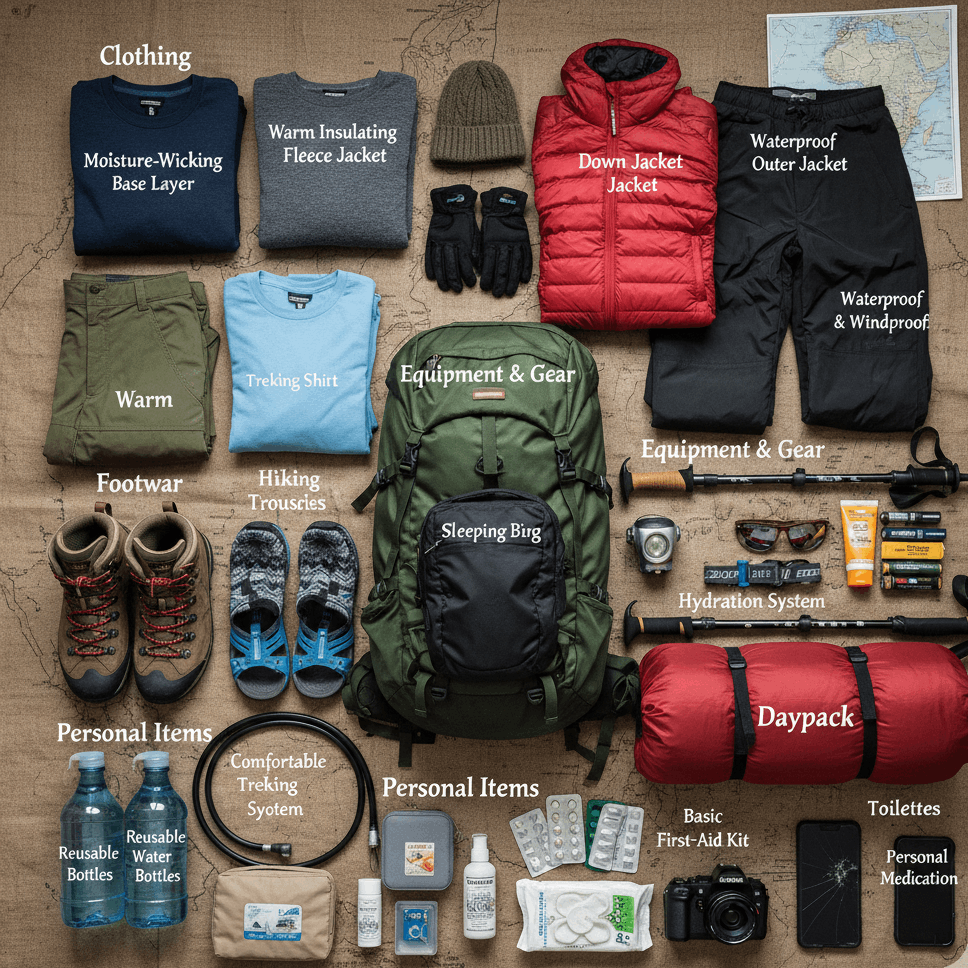
Packing the right equipment and clothing is essential for a safe and comfortable mountain climbing experience in Tanzania. Weather conditions can change quickly on the mountain, especially at higher altitudes, so climbers must be well prepared. A proper packing list helps prevent discomfort, cold-related problems, and unnecessary risks during the climb.
Clothing
Climbers should pack layered clothing to adapt to different temperatures.
- Moisture-wicking base layers
- Warm insulating layers such as fleece or down jackets
- Waterproof and windproof outer jacket and pants
- Hiking trousers and trekking shirts
- Warm hat, gloves, and thermal socks
Footwear
Good-quality footwear is critical for long trekking days.
- Sturdy, waterproof hiking boots with ankle support
- Comfortable trekking socks
- Light shoes or sandals for use at camp
Equipment and Gear
Essential gear helps improve comfort and safety on the mountain.
- Backpack or daypack
- Sleeping bag suitable for cold temperatures
- Trekking poles for balance and support
- Headlamp or flashlight with extra batteries
- Sunglasses and sunscreen
Personal Items
Personal items help maintain health and hygiene during the climb.
- Reusable water bottles or hydration system
- Personal medication and basic first-aid kit
- Toiletries and wet wipes
- Camera or smartphone for photos
Safety and Health Tips for Mountain Climbing
Safety is a top priority when mountain climbing in Tanzania. High altitude, changing weather conditions, and physical exhaustion can present serious challenges if not properly managed. Following safety and health guidelines helps reduce risks and ensures a successful and enjoyable climbing experience.
Climb with Professional Guides
Mountain climbing in Tanzania should always be done with licensed and experienced guides. Professional guides understand the routes, weather patterns, and altitude challenges. They monitor climbers’ health daily and make important decisions to ensure safety throughout the climb.
Manage Altitude Sickness
Altitude sickness is one of the most common risks during mountain climbing. Climbers should ascend slowly, stay well hydrated, and follow the planned itinerary. If symptoms such as severe headaches, dizziness, or nausea worsen, immediate descent is the safest option.
Stay Hydrated and Eat Well
Proper hydration and nutrition are essential for maintaining energy levels at high altitude. Climbers should drink enough water throughout the day and eat balanced meals provided during the climb. Dehydration can increase the risk of altitude-related illness.
Monitor Weather Conditions
Weather conditions on the mountain can change rapidly. Cold temperatures, strong winds, and rain can increase the risk of hypothermia and discomfort. Climbers should always follow the guide’s instructions and wear appropriate clothing to stay warm and dry.
Listen to Your Body
Climbers should pay close attention to their physical condition. Rest when needed, communicate any discomfort to the guide, and avoid pushing beyond personal limits. Reaching the summit is important, but safety should always come first.
Costs and Permits for Mountain Climbing in Tanzania
The cost of mountain climbing in Tanzania depends on several factors, including the chosen mountain, route, number of days, and level of service. All major mountains are protected areas, and climbers are required to obtain official permits before starting a climb. Understanding these costs helps travelers plan their budget and avoid unexpected expenses.
Park Fees and Permits
Climbing mountains such as Mount Kilimanjaro and Mount Meru requires permits issued by the national park authorities. These fees usually include conservation fees, camping or hut fees, rescue fees, and ranger services where required. Park fees are charged per person per day and form a significant portion of the total climbing cost.
Guide and Crew Costs
All mountain climbs must be conducted with licensed guides, and in many cases, porters and cooks are also required. The cost covers professional guiding services, porter support, meals during the climb, and fair wages for the crew. Hiring trained local staff ensures safety and supports local communities through sustainable tourism.
Equipment and Gear Rental
Climbers who do not own all the necessary gear can rent equipment such as sleeping bags, trekking poles, and warm jackets. Gear rental costs vary depending on the quality and duration of use and should be planned in advance.
Additional Expenses
Other costs may include accommodation before and after the climb, transportation to and from the mountain, tips for the mountain crew, and travel insurance. While some months offer lower prices due to fewer climbers, choosing a longer itinerary may increase costs but also improves safety and success rates.
Conclusion
Mountain climbing in Tanzania is more than an adventure; it is a journey of discovery, endurance, and personal achievement. With iconic mountains such as Mount Kilimanjaro, Mount Meru, and Ol Doinyo Lengai, Tanzania offers diverse climbing experiences for beginners, intermediate climbers, and seasoned adventurers. Each climb presents unique landscapes, cultural connections, and unforgettable moments that remain with climbers long after they return home.
Proper planning, preparation, and choosing the right route are essential for a successful climb. Understanding the best time to climb, difficulty levels, safety measures, and required permits helps ensure a smooth and rewarding experience. When done responsibly, mountain climbing also supports conservation efforts and local communities, making it a meaningful form of sustainable tourism.
Whether your goal is to reach the summit of Africa’s highest peak or to challenge yourself on a lesser-known mountain, Tanzania provides an exceptional environment for mountain climbing. With professional guidance and well-organized services, climbers can focus on the experience, the scenery, and the sense of accomplishment that comes with standing at the top.
Ready to start your mountain climbing adventure in Tanzania? Contact Explore Your Safari today and let our local experts help you plan a safe, memorable, and life-changing journey.