
Arusha National Park
Scenic Wilderness at the Foot of Mount Meru
Overview of Arusha National Park
Arusha National Park is a compact yet incredibly diverse safari destination located in northern Tanzania, just a short drive from the city of Arusha. Covering approximately 1,700 square kilometers, the park is known for its dramatic landscapes, including the towering Mount Meru, the lush Momella Lakes, and expansive Ngurdoto Crater. Despite its small size compared to Serengeti or Ngorongoro, Arusha offers a unique combination of mountain scenery, diverse ecosystems, and abundant wildlife, making it perfect for travelers who want a short, yet immersive safari experience.
Mount Meru & Landscapes
The park is dominated by Mount Meru, Tanzania’s second-highest peak, which rises majestically to 4,566 meters. The mountain provides a stunning backdrop to the park’s rolling hills, forests, and plains. Visitors can explore the lower slopes of Mount Meru through guided hikes, witnessing waterfalls, streams, and rich flora. The Ngurdoto Crater, often called the “Little Ngorongoro,” features highland forests and grasslands teeming with wildlife, offering panoramic viewpoints that are ideal for photography. The Momella Lakes are a series of alkaline lakes famous for flamingos and other bird species, creating scenic diversity unmatched in northern Tanzania.

Wildlife & Nature Experiences
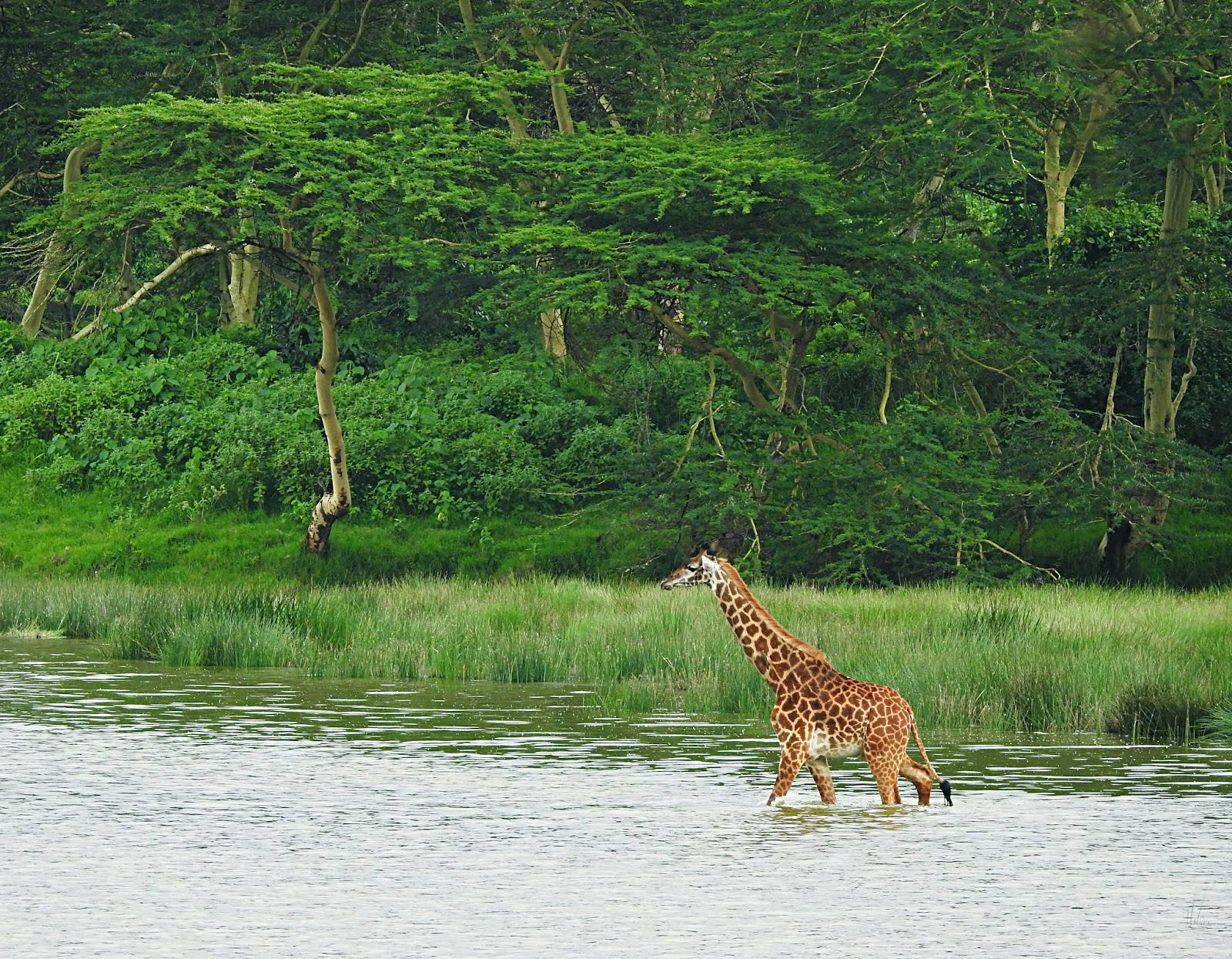
Arusha National Park supports a rich variety of wildlife despite its small size. Elephants, giraffes, zebras, buffaloes, and impalas roam the plains and forest edges. Predators such as leopards and hyenas are also present, though sightings are less frequent, adding an element of surprise to every game drive. The park is a birdwatcher’s paradise, hosting over 400 species, including flamingos, pelicans, herons, and colorful passerines. Walking safaris allow travelers to observe smaller wildlife, unique plants, and learn tracking skills from knowledgeable guides, creating intimate encounters with nature.
Safari Activities in Arusha National Park
Visitors can enjoy a combination of birdwatching, photography, and hiking adventures. Guided walks along the lake shore allow travelers to observe flamingo colonies, salt formations, and unique vegetation adapted to the alkaline environment. Summit treks of Ol Doinyo Lengai offer a physically challenging but rewarding experience, with panoramic views of the rift valley and lake below. Cultural visits to nearby Maasai villages provide insight into traditional life and the spiritual significance of the mountain. Camping near the volcano or lake under a starry African sky adds a magical touch to this remote adventure.
Best Time to Visit Arusha National Park
The park can be visited year-round, with the dry season from June to October offering the best conditions for game viewing and hiking. The green season from November to May brings vibrant scenery, blooming flora, and fewer tourists, though occasional rains can occur. Both seasons provide distinct and rewarding experiences for travelers seeking wildlife, landscapes, and photography opportunities.
Who Should Visit Arusha National Park
Arusha National Park is ideal for travelers seeking a quick yet immersive safari, families, birdwatchers, and hikers. It’s also perfect for those combining multiple northern circuit destinations, as its location close to Arusha city makes it accessible and convenient. First-time safari-goers, photographers, and adventure enthusiasts will enjoy the park’s diversity and intimate wildlife encounters without the long drives required for larger parks.
Explore Arusha National Park with Experts
At Explore Your Safari, we connect travelers with licensed and professional tour operators who specialize in Arusha National Park experiences. From tailored game drives and walking safaris to guided mountain hikes, our expert partners ensure every visit is safe, educational, and unforgettable. Visitors can explore the park’s stunning landscapes, abundant wildlife, and unique ecosystems with confidence, knowing their experience is supported by knowledgeable local guides.