
Climb Mount Kilimanjaro – Tanzania’s Ultimate Hiking Adventure
Africa’s Highest Peak & Ultimate Adventure
Mount Kilimanjaro is not just a mountain – it is an icon of Africa and a dream destination for adventurers worldwide. Towering at 5,895 meters (19,341 feet), it is the highest free-standing mountain on Earth and the tallest peak in Africa, earning its name: the “Roof of Africa.”
Situated in northern Tanzania, near the Kenyan border, Kilimanjaro offers one of the most unique climbing experiences in the world. From fertile foothills with banana and coffee plantations, through lush rainforests alive with monkeys and exotic birds, across high alpine deserts, and finally to its snow-capped summit, the journey is a breathtaking transformation of landscapes and climates.
Kilimanjaro is also steeped in culture and heritage. The local Chagga people, known for their hospitality and coffee-growing traditions, welcome visitors with warm smiles and rich stories of the mountain. Whether you aim to conquer Uhuru Peak or simply admire the majesty from below, Kilimanjaro offers something unforgettable for every traveler.
Climbing Routes & Experiences
Mount Kilimanjaro have different roots and each root differ from one root to another differ in Tim of trekking from 5-8 Days differ in meters other are challenging root to make sure that you experience according to your preferences, The following are those roots.
Marangu Route
The Marangu Route, often called the Coca-Cola Route, is the most traditional and one of the easiest paths to the summit. It usually takes 5 to 6 days to complete, covering approximately 70 km (43 miles) round trip. This is the only route that offers hut accommodations along the way (Mandara, Horombo, and Kibo huts), making it more comfortable for climbers who prefer not to camp. However, it is less scenic than other routes because you use the same path for both ascent and descent.
Machame Route
The Machame Route, also known as the Whiskey Route, is the most popular among climbers thanks to its spectacular scenery and diverse landscapes. It typically takes 6 to 7 days, with a total distance of around 62 km (39 miles). Climbers pass through dense rainforest, moorlands, and alpine deserts before reaching the summit. This route offers good opportunities for acclimatization and has a higher success rate compared to Marangu.
Lemosho Route
The Lemosho Route is renowned for being one of the most beautiful and less crowded routes. It takes about 7 to 8 days to complete, covering 70 km (43 miles). Starting from the western side of the mountain, it passes through remote rainforest and scenic plateaus before joining the Machame Route. The extra days make it ideal for better acclimatization, increasing the chances of reaching Uhuru Peak successfully.
Rongai Route
Approaching from the north, near the Kenyan border, the Rongai Route is drier and less crowded than most other routes. It usually takes 6 to 7 days, spanning 73 km (45 miles). Because it receives less rainfall, this route is a good choice during the wet season. The landscape is more barren compared to the southern routes, but it offers a unique perspective of the mountain.
Umbwe Route
The Umbwe Route is the steepest and most direct path to the summit, making it the most challenging option. It typically takes 6 to 7 days and covers about 53 km (33 miles). Due to its rapid ascent and limited acclimatization time, this route is recommended only for experienced climbers seeking a tough and adventurous climb.
Northern Circuit Route
The Northern Circuit is the newest and longest route on Kilimanjaro, taking 8 to 9 days and stretching about 90 km (56 miles). It circles around the northern slopes, offering stunning 360-degree views of the mountain and the surrounding landscapes. With its extended duration, this route provides the best acclimatization and has one of the highest success rates for reaching the summit.

Why Mount Kilimanjaro is the Sweet Spot of a Tanzania Safari
Mount Kilimanjaro is more than just Africa’s highest peak it is the perfect complement to a Tanzanian safari experience. Its location in the northern safari circuit makes it an ideal starting or finishing point for your journey through Tanzania’s most iconic destinations, such as Serengeti National Park, Ngorongoro Crater, Tarangire National Park, and Lake Manyara. After an adventurous trek to the “Roof of Africa,” travelers can seamlessly continue their exploration of the country’s rich wildlife or unwind in the surrounding coffee estates and cultural villages.
The mountain offers a diverse range of experiences from challenging summit expeditions to relaxing day hikes, cultural tours, and waterfall visits making it suitable for all types of travelers, whether seasoned adventurers or families on a leisurely safari.
Kilimanjaro also carries a profound symbolic and cultural significance, representing strength, endurance, and natural beauty. Recognized as a UNESCO World Heritage Site, it is not only a natural wonder but also a sanctuary for rare plants, wildlife, and unique ecosystems. Its towering snow-capped peak against the African savannah creates one of the most iconic landscapes in the world a view you will never forget.
Combining a safari with a visit to Kilimanjaro allows you to experience the best of Tanzania in one journey: the thrill of the climb, the serenity of the mountain foothills, and the unforgettable encounters with Africa’s legendary wildlife.
Difficulty & Physical Challenge
Climbing Kilimanjaro is considered a non-technical trek, meaning no mountaineering skills are required, but it is physically demanding due to altitude and long daily hikes. Proper acclimatization, fitness, and guided support are essential for success. Most climbers take 6–9 days to reach the summit, with expert guides leading the way, providing support, and sharing knowledge about the mountain’s geology, flora, and history.

What to Expect in Kilimanjaro
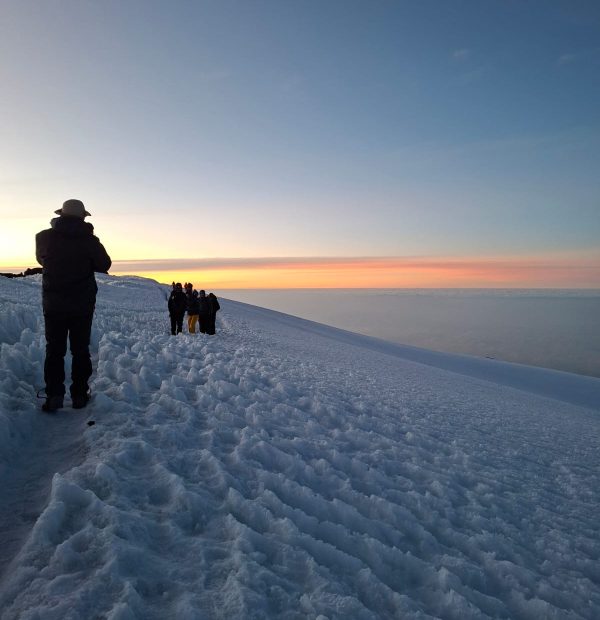
Visiting Mount Kilimanjaro is a journey through some of the most dramatic landscapes on Earth. Expect to experience five distinct ecological zones as you ascend: fertile farmland at the base, lush rainforest teeming with monkeys and colorful birds, heath and moorland with striking giant lobelias, alpine desert with its moon-like terrain, and finally the icy arctic summit where glaciers glisten under the African sun.
The climate changes dramatically with elevation. You may start your trek in warm, humid conditions and finish in freezing temperatures at the peak. Proper layering of clothing is essential for comfort and safety.
You will also encounter vibrant local culture, particularly the Chagga people, who have lived around the mountain for generations. Their villages, coffee farms, and warm hospitality provide a glimpse into the region’s traditions.
Wildlife sightings are common on the lower slopes, including colobus monkeys, blue monkeys, bushbucks, and a variety of exotic bird species. Above the rainforest, the landscape becomes more open and rugged, offering breathtaking views across the plains of Tanzania and Kenya.
Most importantly, expect a personal journey of challenge and reward. Whether you aim to summit Uhuru Peak or simply explore the foothills, Kilimanjaro offers a rare opportunity to connect with nature, push your limits, and witness one of the world’s most iconic natural wonders.
Activities to Do in Kilimanjaro
Mount Kilimanjaro is more than just a climbing destination it offers a wide range of activities for adventurers, nature lovers, and cultural explorers alike:
Summit Treks & Expeditions: The ultimate challenge, taking between 5–9 days depending on the route, leading you to Uhuru Peak at 5,895 m.
Day Hikes & Nature Walks: Ideal for travelers who do not plan to summit but still want to experience the mountain’s lower slopes and rainforest.
Cultural Tours: Explore the traditions of the Chagga people, visit their villages, and learn about their farming and heritage.
Coffee Farm Visits: See how some of Tanzania’s best coffee is grown, harvested, and roasted often with tasting sessions included.
Waterfall Excursions: Discover hidden gems such as Materuni, Ndoro, and Kinukamori Falls, perfect for photography and relaxation.
Cycling & Adventure Tours: Guided mountain biking and cycling trails on the lower slopes for active travelers.
Where to stay in Kilimanjaro
When planning a visit to Kilimanjaro, the town of Moshi serves as the primary hub for travelers, offering a wide range of accommodations to suit every budget. For those seeking luxury and high-end amenities before or after a climb, hotels like Kilimanjaro Wonders Hotel, Salinero Hotel, and Ameg Lodge provide exceptional service and stunning views of the mountain. Travelers looking for mid-range options with local charm often prefer Parkview Inn or Chanya Lodge, which offer comfort and accessibility. For budget-conscious visitors and backpackers, spots like Rafiki Backpackers or The Backyard Hostel provide a social and affordable environment. Additionally, for a more secluded experience closer to nature, lodges located at the base of the mountain in Marangu or Machame, such as Kaliwa Lodge, offer a tranquil escape right on the doorstep of the national park.
Who Should Climb Mount Kilimanjaro
Climbing Mount Kilimanjaro is a “non-technical” trek, meaning you don’t need ropes or special climbing skills. However, because of the extreme altitude and physical demand, there are specific age and health guidelines you must follow.
1. Age Limits
Minimum Age: The official rule set by the Kilimanjaro National Park Authority (KINAPA) is 10 years old. Children under 10 are generally not allowed above 3,100 meters (roughly the first camp).
Exceptions: Special permits can sometimes be granted for children under 10 if they have significant high-altitude trekking experience.
Maximum Age: There is no official upper age limit. People in their 70s and 80s summit every year. The record for the oldest person to summit is 89!
Recommendation: Climbers over 60 are strongly advised to undergo a rigorous medical checkup, including a cardiovascular stress test.
2. Health Requirements
You don’t need to be an Olympic athlete, but you do need strong cardiovascular endurance.
Who SHOULD climb?
General Fitness: People who can comfortably walk for 6–8 hours on uneven terrain.
Heart & Lungs: Those with healthy cardiovascular systems. The air at the summit has about 50% less oxygen than at sea level.
Mental Toughness: Much of the final “Summit Night” is a mental battle against cold and fatigue.
Who should be CAUTIOUS (Consult a doctor)?
Pre-existing Conditions: If you have asthma, high blood pressure, or heart disease, you must get medical clearance. High altitude can trigger or worsen these conditions.
Anemia: Low iron levels make it harder for your blood to carry oxygen, which significantly increases the risk of altitude sickness.
Joint Issues: If you have severe knee or hip problems, the long descent (which is very steep) can be extremely painful.
3. The “Silent” Requirement: Acclimatization
Fitness does not guarantee a successful summit. In fact, very fit people often fail because they hike too fast.
Altitude Sickness (AMS): This affects everyone regardless of fitness level.
The Secret: Choose a longer route (7–8 days) like Lemosho or Machame. This gives your body more time to produce the red blood cells needed to handle the thin air.
Pro Tip: If you’re worried about your health or age, always tell your guide the truth about how you feel. They carry pulse oximeters to check your oxygen levels every night.
Why choose Explore your Safari for you trekking packege
Climbing Mount Kilimanjaro is a once-in-a-lifetime journey. When you choose Explore Your Safari, you aren’t just booking a trip; you are partnering with a team dedicated to your safety, success, and a deep connection to the Tanzanian landscape.
Here is why Explore Your Safari is the right choice for your adventure:
1. Expert Local Knowledge
Our guides aren’t just professionals; they are “sons of the soil.” Born and raised in the foothills of Kilimanjaro, they possess an intimate understanding of the mountain’s five ecological zones. Their ability to read the weather, the terrain, and most importantly your body’s reaction to altitude is what sets us apart.
2. Safety First, Always
We maintain a “Safety First” culture. Every expedition is equipped with:
Medical Grade Oxygen: For emergency use.
Daily Health Checks: Using pulse oximeters and the Lake Louise AMS scoring system to monitor your heart rate and oxygen saturation.
WFR-Certified Guides: Every lead guide is certified as a Wilderness First Responder.
3. Superior Success Rates
We don’t believe in rushing the mountain. We prioritize routes that offer better acclimatization (like the 7 or 8-day Lemosho and Machame routes). By following the “Climb High, Sleep Low” principle, our clients enjoy a significantly higher summit success rate than the mountain average.
4. Ethical Treatment of Crews
We know that the real heroes of your climb are the porters and cooks. Explore Your Safari is committed to fair wages, proper gear, and nutritious meals for our entire mountain crew. When the crew is happy and healthy, they provide the energy and encouragement you need to reach the top.
5. Seamless “Peak to Plain” Experience
As our name suggests, we specialize in the complete Tanzanian experience. We can transition you seamlessly from the arctic summit of Uhuru Peak to the golden savannahs of the Serengeti or the Ngorongoro Crater. You won’t have to worry about logistics; we handle everything from the moment you land at JRO until your final farewell.
6. Nutritious Gourmet Dining
You cannot climb on an empty tank. Our mountain chefs are famous for turning simple ingredients into high-calorie, delicious “fuel” for your body. From hot porridges in the morning to fresh soups and energizing dinners, you’ll be amazed at what we can cook at 13,000 feet.
Best Time to Climb Kilimanjaro
The best seasons for climbing are the dry months from June to October and December to February, when weather conditions are stable, skies are clear, and summit visibility is high. The wet seasons (March–May and November) bring rain, slippery trails, and less predictable conditions, though the landscape is lush and fewer climbers attempt the summit during these months.