
Ngorongoro Crater
A Natural Wonder and One of Africa’s Best Wildlife Destinations
Ngorongoro Conservation Area is one of the most unique and beautiful safari destinations in Tanzania. It is located in northern Tanzania, near Serengeti National Park, and covers about 8,292 square kilometers of protected land. The area is world-famous for the Ngorongoro Crater, the largest intact volcanic caldera in the world.
The Ngorongoro Crater was formed about two to three million years ago when a giant volcano exploded and collapsed. Today, the crater forms a natural wildlife sanctuary with high walls surrounding a rich ecosystem inside. Because of its natural enclosure, animals live within the crater throughout the year, making wildlife viewing easy and reliable.
Ngorongoro Conservation Area is a UNESCO World Heritage Site due to its ecological importance and its strong connection between wildlife and local Maasai communities. Unlike national parks, Ngorongoro allows both wildlife and people to live together in the same protected area. Maasai pastoralists continue their traditional lifestyle while sharing the land with wild animals.
The area is home to diverse landscapes including the famous crater floor, highland forests, open plains, soda lakes, and archaeological sites such as Olduvai Gorge, where some of the earliest human fossils were discovered.
Ngorongoro offers visitors breathtaking scenery, dense wildlife populations, cultural experiences, and one of the best chances in Tanzania to see the endangered black rhino.
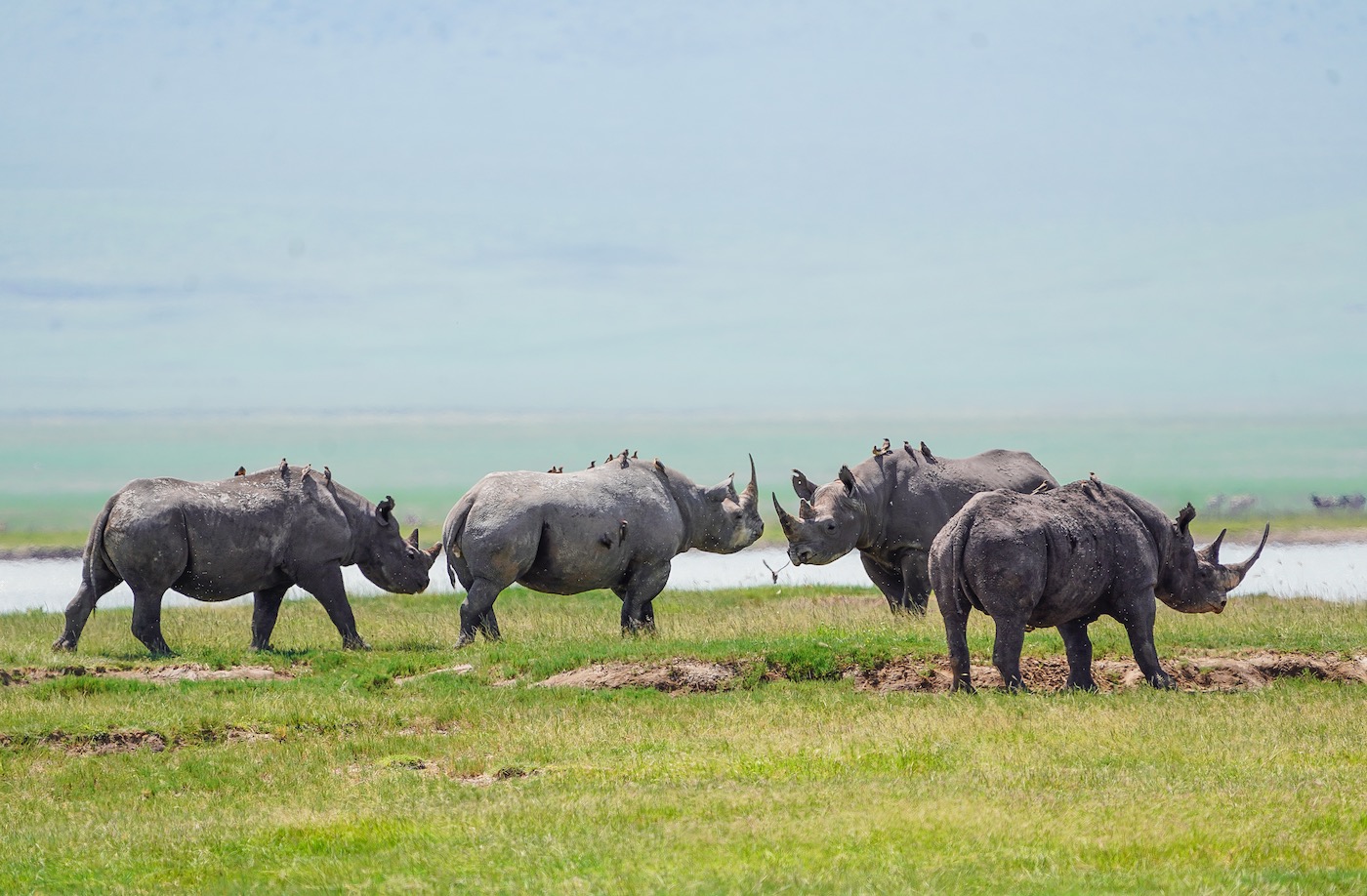
Wildlife in Ngorongoro Conservation Area
Ngorongoro Conservation Area is one of the best places in Tanzania for wildlife viewing. The Ngorongoro Crater alone hosts more than 25,000 large animals living inside the crater floor throughout the year. Because the crater is naturally enclosed by high walls, animals rarely leave the area, making wildlife sightings easy and reliable in a single game drive.
Visitors can see the famous Big Five — lion, elephant, buffalo, leopard, and the endangered black rhino. Ngorongoro is one of the few places in Tanzania where you have a strong chance of seeing black rhinos in their natural habitat. The crater also supports large populations of zebras, wildebeests, gazelles, hippos, and hyenas. Lions are commonly seen resting on the plains, while elephants, especially large bulls with impressive tusks, move through the forested areas.
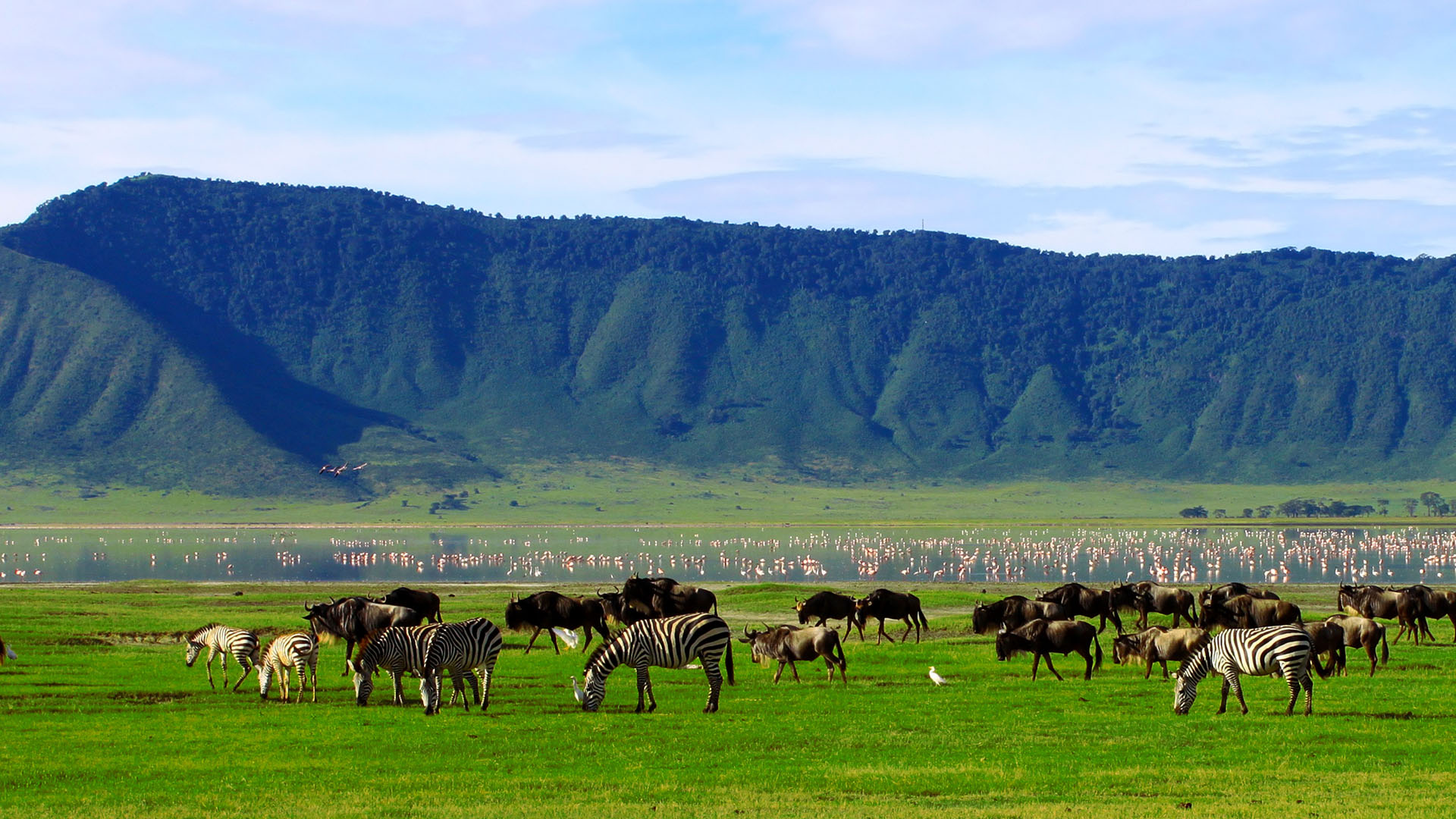
Lake Magadi, a shallow soda lake inside the crater, attracts flamingos and other water birds. The area is also home to more than 500 bird species, making it a great destination for bird watching. The rich grasslands, permanent water sources, and mild climate allow wildlife to live in Ngorongoro all year round, creating one of the highest concentrations of animals per square kilometer in Africa.
Every safari in Ngorongoro offers close wildlife encounters, beautiful scenery, and unforgettable photographic opportunities.
Safari Activities in Ngorongoro
1️⃣ Game Drives in Ngorongoro Crater
Game drives are the most popular way to explore the crater. Visitors travel in 4×4 safari vehicles with experienced guides who track wildlife and explain animal behavior. The crater’s natural enclosure ensures high chances of spotting lions, elephants, buffalo, leopards, and even the rare black rhino.
Morning drives provide the best opportunities for seeing active predators and feeding herds, while afternoon drives are ideal for photography with soft, golden light. Full-day drives allow exploration of different habitats, including soda lakes, forests, and open plains.
2️⃣ Walking Safaris (Guided)
Guided walking safaris are available in selected areas of Ngorongoro outside the crater floor. These safaris provide a close-up experience of the ecosystem, including smaller wildlife, animal tracks, plants, and insects. Armed ranger guides ensure safety while teaching about the environment and conservation.
Walking safaris are perfect for travelers seeking adventure and a deeper connection with nature.
3️⃣ Cultural Visits (Maasai Villages)
Ngorongoro is unique because it is a conservation area where Maasai communities live alongside wildlife. Cultural visits allow travelers to meet local Maasai families, learn about their traditions, cattle herding, crafts, and daily life.
These visits offer insight into the coexistence of humans and wildlife and add an enriching cultural dimension to the safari experience.
4️⃣ Bird Watching
The area hosts over 500 bird species, including flamingos on Lake Magadi, ostriches, eagles, and migratory birds. Bird watching can be done during game drives or on short guided walks. It is especially rewarding during the green season when bird activity is high.
5️⃣ Photographic Safaris
Ngorongoro’s landscapes and dense wildlife concentrations make it a photographer’s paradise. Photographic safaris focus on capturing animals in their natural behavior, dramatic predator-prey interactions, and stunning crater scenery.
Specialized vehicles for photographers with open sides and camera support systems are available in some luxury camps. Guides help position vehicles for the best angles and lighting.
6️⃣ Bush Meals & Sundowners
Luxury and mid-range camps organize bush breakfasts, picnic lunches, and sundowner drinks in scenic locations. Enjoying a meal or drink while overlooking the crater floor or plains adds a romantic and relaxing touch to the safari experience.
7️⃣ Special Wildlife Experiences
Because of the crater’s unique ecosystem, visitors can see rare moments such as lion hunts, black rhino sightings, and close interactions with large herbivore herds. These experiences are easier to witness here than in most other safari destinations in Africa due to the crater’s natural enclosure.
Ngorongoro safari activities combine wildlife, landscapes, and culture to give travelers a complete and unforgettable experience. Every activity is guided, safe, and designed to provide maximum engagement with nature.
Ngorongoro Crater.
Ngorongoro Crater is the centerpiece of the Ngorongoro Conservation Area and one of the most remarkable natural wonders in Africa. It is the world’s largest intact volcanic caldera, measuring about 19 kilometers (12 miles) across and covering approximately 260 square kilometers (100 square miles). The crater was formed about 2–3 million years ago when a massive volcano erupted and then collapsed in on itself, creating a natural enclosure surrounded by steep walls that rise up to 610 meters (2,000 feet) above the crater floor.
The crater floor is a vast, fertile plain of about 300–600 meters (980–1,970 feet) above sea level, containing a mix of grasslands, forests, swamps, and soda lakes. This diversity of habitats supports one of the densest concentrations of wildlife in Africa. The crater’s permanent water sources, including streams and small lakes, ensure that animals can survive even during the dry season, which is why the Ngorongoro Crater is an excellent year-round safari destination.
Some of the notable features of the crater include:
Lake Magadi – A shallow soda lake that attracts thousands of flamingos and other water birds.
Ngorongoro Forests – Located on the slopes of the crater, these forests provide shelter for elephants, buffalo, and smaller wildlife.
Crater Highlands – The walls of the crater support unique plant species and provide spectacular viewpoints for visitors.
Archaeological Sites – The Ngorongoro Conservation Area also includes Olduvai Gorge, one of the most important paleoanthropological sites in the world, where early human fossils were discovered.
The crater is home to nearly every type of East African savannah wildlife, including the Big Five, zebras, wildebeests, hyenas, and numerous bird species. Its natural enclosure allows visitors to see large numbers of animals concentrated in one area, creating unparalleled photographic and wildlife viewing opportunities.
Visiting Ngorongoro Crater is like stepping into a natural amphitheater where nature’s drama unfolds daily from predator-prey interactions to peaceful grazing herds, all set against a backdrop of stunning landscapes and ancient volcanic geology.
Best Time to Visit Ngorongoro Crater
Ngorongoro Conservation Area is a year-round safari destination, but the best time to visit depends on what you want to see and the type of safari experience you prefer. Each season offers unique wildlife and landscape opportunities.
Dry Season (June to October) – Best for Wildlife Viewing
The dry season is the most popular time to visit Ngorongoro. During this period, grass is shorter and animals gather around permanent water sources, making wildlife easier to spot. Predators such as lions and hyenas are more active because prey is concentrated near water.
The weather is mostly sunny, with clear skies and comfortable daytime temperatures. This season also provides the best conditions for photography, especially at sunrise and sunset when the light illuminates the crater floor.
Best for: Big Five sightings, photography, first-time visitors, game drives in the crater.
Green Season (November to May) – Best for Scenic Landscapes & Bird Watching
The green season brings occasional rains that transform the crater into lush green landscapes. This is the best time for bird watching, as migratory and local bird species are abundant, including flamingos on Lake Magadi.
From January to March, the grass is fresh and grazing wildlife is plentiful. Although some roads may be muddy, wildlife viewing is still excellent, and there are fewer crowds compared to the dry season. Safari rates are usually lower, making it a great time for budget-conscious travelers.
Best for: Bird watching, fewer tourists, green landscapes, photography, more affordable safaris.
Seasonal Highlights
June to October: Ideal for wildlife viewing and predator activity.
November to May: Best for lush scenery, birdlife, and off-peak travel.
Year-round: Ngorongoro Crater maintains high wildlife concentrations regardless of season, ensuring unforgettable safari experiences anytime you visit.
Why You Should Visit Ngorongoro Conservation Area
Ngorongoro Conservation Area is one of the most extraordinary safari destinations in the world, offering a unique combination of wildlife, landscapes, and culture. Unlike most national parks, Ngorongoro is a conservation area where wildlife and the Maasai community coexist, giving visitors an authentic African experience.
The area is home to the Ngorongoro Crater, the largest intact volcanic caldera on Earth, which hosts one of the densest concentrations of wildlife anywhere in Africa. Here, you can see the Big Five — lions, elephants, buffalo, leopards, and the rare black rhino — all within a single day. Predators, herbivores, and birds live together in a naturally enclosed ecosystem, making wildlife encounters reliable and unforgettable.
Ngorongoro also offers breathtaking landscapes: rolling highlands, crater floors, soda lakes, and forests, all set against a backdrop of dramatic cliffs. The combination of scenery and wildlife provides perfect opportunities for photography, adventure, and nature exploration.
Additionally, cultural experiences with the Maasai people add depth to the visit. Travelers can learn about traditional Maasai life, dances, and cattle culture, seeing firsthand how humans and wildlife share this remarkable landscape.
Visiting Ngorongoro is not just a safari — it is a once-in-a-lifetime experience that blends nature, wildlife, and culture into one of the most memorable journeys in Africa.