
Discover Africa’s Avian Wonders in the Heart of Tanzania
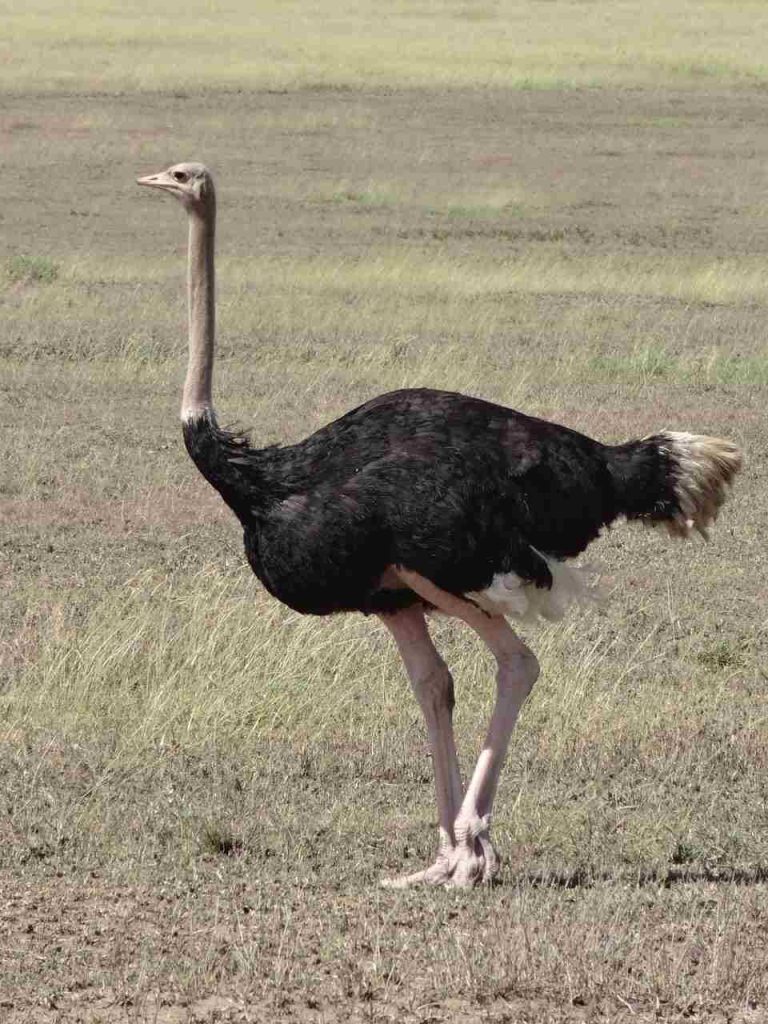
Tanzania is not only celebrated for the Great Migration and Mount Kilimanjaro it’s also one of Africa’s premier bird watching destinations. With over 1,100 bird species recorded, including 29 endemics and many near-endemics, Tanzania offers an unforgettable birding adventure set against dramatic landscapes. From lush rainforests and tranquil wetlands to the vast savannahs of the Serengeti, every ecosystem hosts a dazzling variety of feathered wonders. Whether you’re a seasoned birder or a curious nature lover, Tanzania promises breathtaking sightings, incredible photography opportunities, and the thrill of checking rare species off your life list.
Why Tanzania Stands as Africa’s Premier Birding Destination
Tanzania’s remarkable geographic diversity creates a mosaic of habitats, each hosting unique bird communities. From the snow-capped peak of Kilimanjaro to the coral reefs of Zanzibar, altitude, rainfall, and vegetation shape distinct ecosystems where specialization and adaptation have given rise to incredible avian variety.
A Continent in Miniature: Tanzania’s Key Bird Habitats
- Savannahs & Grasslands: The vast plains of the Serengeti and Selous are home to ground-dwelling birds like the kori bustard (the world’s heaviest flying bird) and majestic raptors such as the martial eagle and bateleur. Here, the secretary bird strides through the grass hunting snakes, a dramatic sight for any birder.
- Forests & Mountains: The Eastern Arc Mountains, including the Usambara and Uluguru ranges, are biodiversity hotspots often called “Africa’s Galapagos.” These isolated mountain blocks have allowed unique species to evolve, like the Usambara eagle-owl and the Uluguru bushshrike. The montane forests echo with the calls of turacos and hornbills.
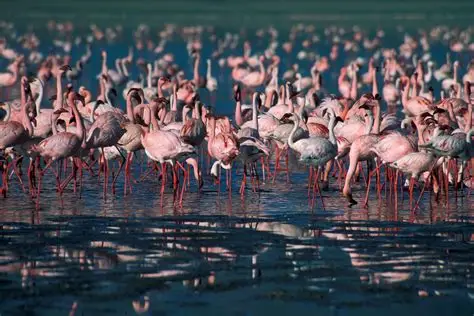
- Wetlands & Lakes: Tanzania’s Great Rift Valley lakes—Manyara, Natron, and Eyasi are aquatic wonderlands. They host vast congregations of lesser and greater flamingos, along with hundreds of thousands of migratory waterfowl, storks, and pelicans. The sight of a pink haze of flamingos taking flight is unforgettable.
- Coastal & Mangrove Ecosystems: The Indian Ocean coastline and islands like Zanzibar support a different suite of species, including the Pemba green-pigeon (an island endemic) and crab-plovers nesting on sandy beaches. Mangrove forests shelter kingfishers, herons, and the elusive mangrove kingfisher.
Detailed Regional Guides: Where to Go for Your Target Birds
To help you plan, here’s a deeper look at Tanzania’s prime birding regions and what makes each unique.
1. The Northern Safari Circuit: Classic Birding with Big Game
This region combines easily accessible parks with exceptional bird diversity against a backdrop of iconic wildlife.
- Serengeti National Park (500+ species): Beyond the migration, the Serengeti’s grasslands, riverine forests, and kopjes (rocky outcrops) are birding goldmines. Look for the lilac-breasted roller (Tanzania’s national bird) perched acrobatically on thorn trees, flocks of yellow-throated sandgrouse at waterholes, and the massive lappet-faced vulture at a carcass. The Seronera River area is excellent for pelicans, storks, and African spoonbills.
- Ngorongoro Conservation Area: The crater itself is a natural amphitheater teeming with birds. The Lerai Forest is good for speke’s weaver and silvery-cheeked hornbill. On the crater rim and in the highland forests, seek out the stunning scarlet-tufted malachite sunbird and golden-winged sunbird. Don’t miss the Augur buzzard soaring on thermals.
- Lake Manyara National Park (400+ species): Famed for its tree-climbing lions and alkaline lake, Lake Manyara is a birding paradise. The groundwater forest is alive with hornbills, trogons, and the raucous silvery-cheeked hornbill. The lakeshore hosts thousands of flamingos, pelicans, yellow-billed storks, and African fish eagles.
- Tarangire National Park: Known for elephants and baobabs, Tarangire is also excellent for dry-country specialists. Look for the northern pied babbler, vulturine guinea fowl, and the massive kori bustard. The swamps are havens for waterbirds and birds of prey.
2. The Southern & Western Circuits: For the Adventurous Birder
These less-visited regions offer wilderness immersion and high concentrations of specialized species.
- Selous Game Reserve (Nyerere) (440+ species): Africa’s largest reserve is a labyrinth of rivers, lakes, and woodlands. Boating safaris on the Rufiji River offer unparalleled access to African skimmers, white-fronted bee-eaters, and carmine bee-eaters nesting in sandy banks. The miombo woodlands are home to Pel’s fishing owl and böhm’s bee-eater.
- Ruaha National Park: Tanzania’s largest park is a stronghold for miombo woodland endemics. Target the racquet-tailed roller, pale-billed hornbill, and Ashy starling. The Great Ruaha River attracts waterbirds and herons.
- Udzungwa Mountains National Park: This “Galapagos of Africa” is a must for endemic hunters. Trek through pristine rainforest to find the Udzungwa partridge, Iringa akalat, and the beautiful rufous-winged sunbird. The forest canopy rings with the calls of Sanje crested mangabey monkeys and countless birds.
3. The Eastern Arc Mountains & Coast: The Endemic Hunter’s Dream
- Usambara & Uluguru Mountains: These mist-shrouded ranges require dedicated hiking but reward with rare sightings. A local guide is essential to find the Usambara weaver, Uluguru violet-backed sunbird, and the banded green sunbird.
- Zanzibar Archipelago: A beach holiday can be a fantastic birding trip. Visit Jozani Forest for the Zanzibar red colobus monkey and the endemic Zanzibar sombre greenbul. The shores attract waders and terns.

Top 20 Must-See Birds in Tanzania: A Closer Look
- Lilac-Breasted Roller: The unofficial mascot of African safaris, a dazzling splash of aqua, purple, and russet often seen on roadside perches.
- Secretary Bird: A tall, elegant raptor that hunts on foot, stamping on snakes and rodents in the grassa thrilling behavioral display.
- Martial Eagle: Africa’s most powerful eagle, capable of taking small antelope. Look for its distinctive spotted chest and fierce gaze.
- Flamingos (Lesser & Greater): The “pink tide” of Lake Manyara or Natron. Lesser flamingos are smaller and darker pink; greaters are paler with a black-tipped bill.
- Pel’s Fishing Owl: The “holy grail” for many birders. This massive, rufous-colored owl hunts fish in the rivers of Selous and Ruaha at dusk.
- Kori Bustard: A massive, ground-dwelling bird often seen in open plains. Males perform an incredible puffing display during courtship.
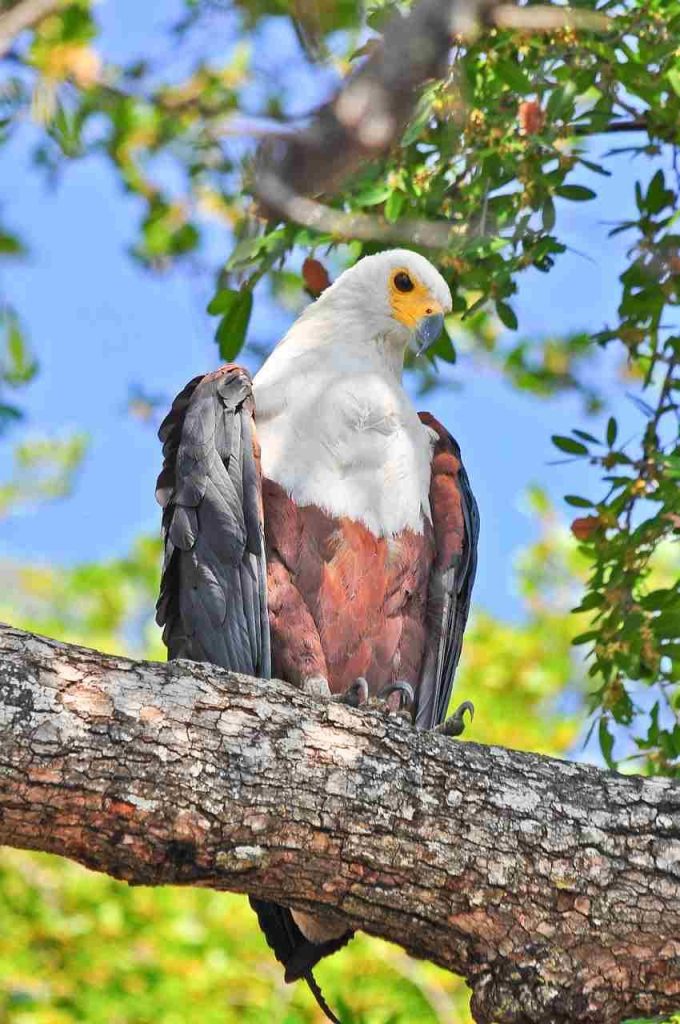
- African Fish Eagle: Its iconic, haunting call is the “sound of Africa.” Watch it swoop from a perch to snatch fish from the water.
- Carmine Bee-Eater: A vision in crimson, these birds nest in huge colonies in riverbanks and perform aerial acrobatics.
- Usambara Eagle-Owl: A rare and localized giant owl with distinctive pink eyelids, found only in the forests of the East Usambaras.
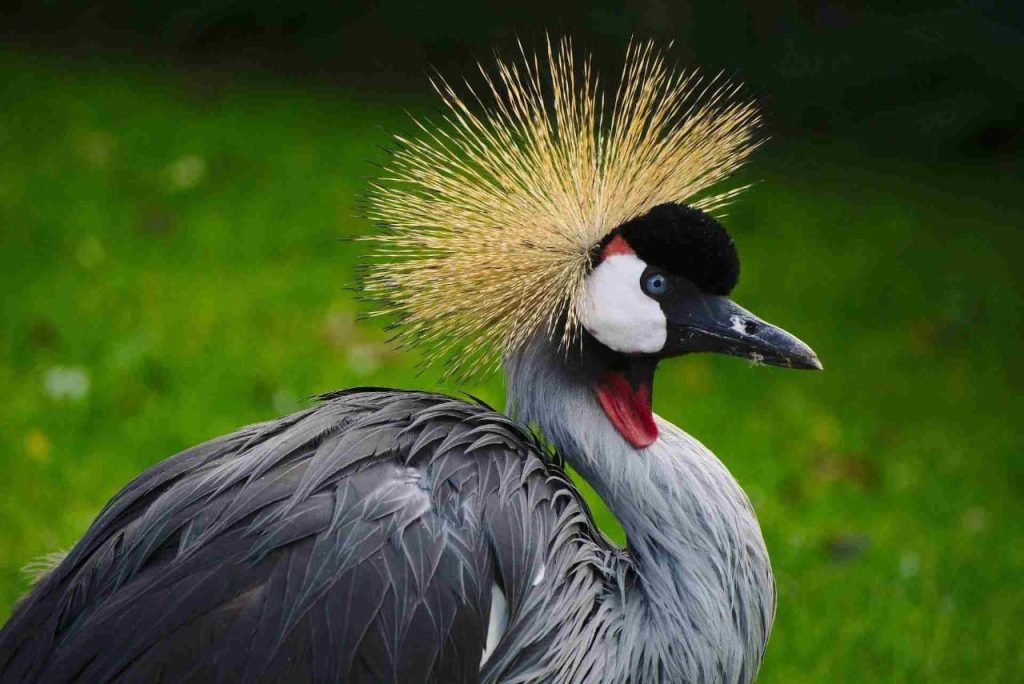
- Grey-Crowned Crane: A regal, endangered bird with a golden crown. Often seen in pairs or family groups in wetlands and grasslands.
- Saddle-Billed Stork: A strikingly patterned black-and-white stork with a vivid red-and-yellow bill. Often seen in pairs in wetlands.
- Southern Ground Hornbill: A massive, black, turkey-like bird with vivid red facial skin. Lives in family groups with a deep, booming call.
- Malachite Kingfisher: A tiny, jewel-like kingfisher that seems to glow electric blue and orange. Perches on reeds before diving for fish.
- White-Fronted Bee-Eater: A sociable, colorful bird that digs nesting tunnels in sandy riverbanks. Watch them catch insects in flight.
- Silvery-Cheeked Hornbill: A large, noisy hornbill with a casque on its bill, common in the montane forests of Arusha and Ngorongoro.
- Vulturine Guinea fowl: The most spectacular guinea fowl, with a punk-rock hairstyle of black feathers, a cobalt blue chest, and red eyes. Found in Tarangire and dry scrub.
- Red-and-Yellow Barbet: A comical, brightly colored bird often seen around termite mounds. Its duetting call is a classic sound of the dry bush.
- Superb Starling: Iridescent blue and orange, these confident birds are ubiquitous around lodges and picnic sites.
- African Paradise Flycatcher: The male’s extraordinarily long tail streamers float like ribbons as it flits through the forest understory.
- Augur Buzzard: A common but handsome raptor, often seen perched or soaring. Look for its distinctive rusty-red tail.
When to Go: Aligning Your Trip with Avian Activity
Peak Birding (November – April):
This is the rainy and “green” season. While some roads may be muddy, the rewards are immense.
- Pros: Resident birds are in breeding plumage and most active. Palearctic migrants (from Europe and Asia) are present, swelling species counts. The landscape is lush and green, perfect for photography. Fewer tourists mean more solitude.
- Cons: Afternoon showers are common. Some remote roads may become challenging.
- Best for: Serious birders wanting maximum species diversity, photographers loving green backgrounds.
Dry Season (June – October):
This is the classic safari season, coinciding with the wildebeest migration in the north.
- Pros: Excellent wildlife viewing as animals gather around water. Easy road access throughout the parks. Pleasant temperatures and mostly clear skies.
- Cons: Fewer migratory bird species present. Foliage can be sparse, and dust may be present. Higher tourist numbers and prices.
- Best for: First-time visitors combining prime big game viewing with birding, and those who prefer reliably dry weather.
Special Spectacles:
- Flamingo Breeding on Lake Natron: Timing is unpredictable but often between August and October. A truly awe-inspiring natural event.
- Raptor Migration over Coastal Tanzania: Witness thousands of steppe eagles, lesser spotted eagles, and honey buzzards funneling south between October and November.
Beyond Binoculars: Essential Pre-Trip Planning
Your Pre-Safari Checklist:
| Category | Essential Items | Pro-Tip |
|---|---|---|
| Optics & Gear | Binoculars (8×42 or 10×42): A quality pair is your most important tool. Spotting Scope: Highly recommended for distant waterbirds and raptors (many guides provide one). Field Guide: Birds of East Africa (Stevenson & Fanshawe) is the bible. Camera & Long Lens: A 100-400mm or similar lens is ideal. Notebook & Pen: For keeping your life list and notes. Headlamp: For early morning starts and lodge walking. | Practice with your binoculars and camera before you go. Download the Merlin Bird ID and eBird apps they work offline with Tanzania packs! |
| Clothing | Neutral Colors: Khaki, green, brown to blend in. Layering System: Mornings are cold, days are hot. Include a warm fleece/jacket for pre-dawn game drives. Lightweight, Quick-Dry Fabrics: For comfort. Wide-brimmed Hat & High-SPF Sunscreen: The equatorial sun is strong. Sturdy, Comfortable Shoes: For walking and vehicle exits. Lightweight Rain Jacket: Especially in green season. | Break in your shoes weeks before your trip. Pack a small dry bag for protecting electronics from dust and rain. |
| Health & Docs | Valid Passport (6+ months validity). Yellow Fever Vaccination Certificate (often required). Malaria Prophylaxis: Consult your doctor. Comprehensive Travel Insurance (must cover medical evacuation). Personal Medications. Copies of Important Documents. | Visit a travel clinic 6-8 weeks before departure. Ensure your insurance covers high-altitude areas if visiting Ngorongoro Crater rim. |
| Mindset & Skills | Patience & Curiosity: Birding is about observation. Learn Basic Calls: Familiarize yourself with a few common species’ calls it enhances the experience. Photography Basics: Understanding aperture and shutter speed for birds in flight. | Start birding at home! Visit a local park. The observation skills you build will make your Tanzanian experience infinitely richer. |

Why Choose Explore Your Safari?
At Explore Your Safari, we don’t just organize trips we craft life-changing African experiences built on decades of local expertise, unwavering ethical standards, and personalized service that puts your journey first. Born from a deep passion for Tanzania’s wilderness and culture, our company was founded by guides who grew up in the shadow of Mount Kilimanjaro and learned the safari trails from generations before them. This isn’t just our business it’s our heritage.
What Truly Sets Us Apart
What Truly Sets Us Apart
1. Tanzanian Born, Globally Trusted
We are not an international broker; we are a 100% Tanzanian-owned and operated company. Our team lives and breathes East Africa year-round. This means:
- Local Insight: Knowledge of hidden gems, seasonal patterns, and authentic cultural experiences you won’t find in guidebooks
- Real-Time Logistics: Our office in Arusha handles everything directly no middlemen delaying responses or decisions
- Community Connection: We work with family-owned lodges, local suppliers, and community guides, ensuring your spend benefits Tanzania directly
2. Guide Excellence: The Heart of Your Safari
Your guide can make or break your experience. Ours elevate it:
Personality Matched: We select your guide based on your interests whether you’re a serious photographer, a family with children, or honeymooners seeking romance
Minimum 10 Years Experience: Each lead guide has a decade+ in the field
Specialized Training: Beyond wildlife tracking, our guides receive training in birding, photography, geology, and cultural anthropology
Language Masters: Fluent in English, Swahili, and often a third language (German, French, Spanish, or Italian)
3. “Safari Integrity” Pricing
No hidden costs, no unpleasant surprises:
- Complete Transparency: Our quotes include all park fees, conservation charges, taxes, and meals—itemized clearly
- Fair Value: We operate mid-range to luxury, providing exceptional quality without luxury-brand premiums
- Ethical Wage Assurance: We are KPAP-certified (Kilimanjaro Porters Assistance Project) and guarantee fair wages, proper gear, and insurance for every team member.
4. Bespoke Itineraries, Not Templates
We listen first, plan second:
- Pre-Trip Consultation: Every journey begins with a detailed conversation about your dreams, fitness, interests, and expectations
- Flexible Design: Want to spend three nights in the Serengeti instead of two? Prefer a private conservancy over a national park? We build around you
- Special Interest Focus: Expert-led birding, photography workshops, cultural immersion, conservation volunteering we connect you with the right specialists
5. Unmatched Safety & Support
- 24/7 In-Country Support: Our operations team is always reachable
- Fully Equipped Vehicles: Satellite phones, comprehensive first-aid kits, and regularly serviced 4×4 Land Cruisers
- Health Protocols: Guides trained in wilderness first response, partnership with flying doctor services for emergency evacuatio
6. The “Explore Your Safari” Difference: Attention to Detail
It’s the small things that transform a good safari into an unforgettable one:
- Surprise Bush Breakfasts at scenic viewpoints
- Customized Sundowner Spots with your favorite drinks
- Photography Assistance from guides who understand lighting and animal behavior
- Cultural Interactions that are respectful, genuine, and arranged directly with community elders
- Post-Trip Engagement: We share professional photos taken by your guide, provide conservation updates, and help you identify every species you saw
Our Promise to You
When you choose Explore Your Safari, you’re choosing more than a vacation package. You’re choosing:
A journey designed around your curiosity, led by experts who call this land home, operated with integrity that benefits both wilderness and people, and supported every step of the way by a team dedicated to making this your best travel experience ever.
We don’t just show you Africa we help you understand it, connect with it, and fall in love with it, ensuring you return home not just with photographs, but with profound stories and a deeper connection to our natural world.