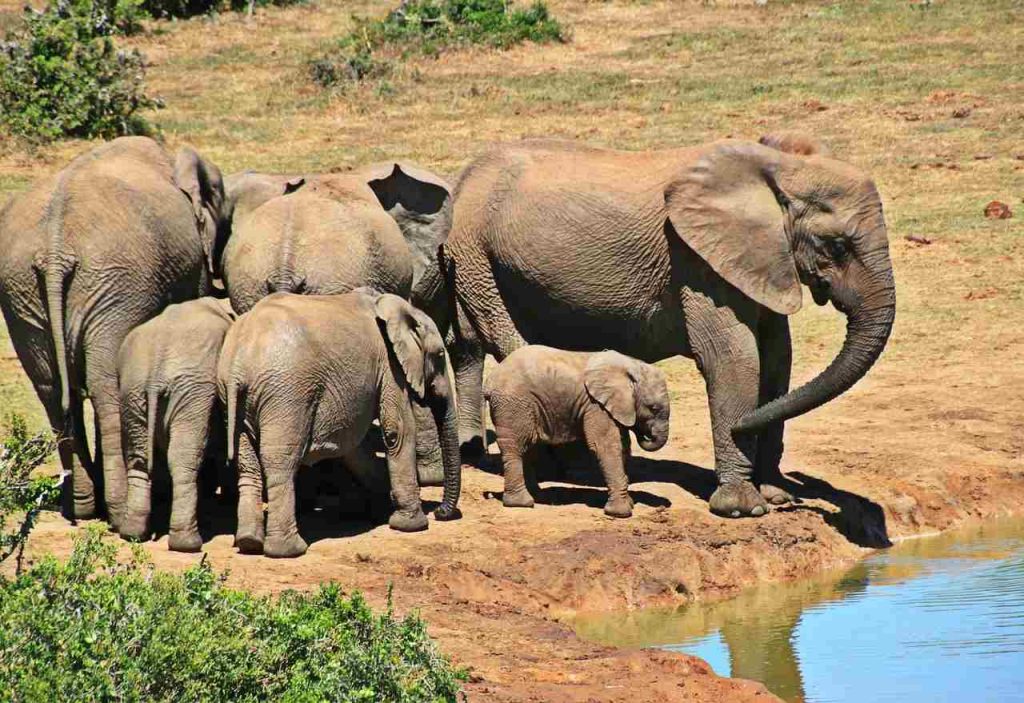


Going on an African safari is a once-in-a-lifetime experience, but proper preparation makes the difference between a good trip and an unforgettable one. Knowing what to expect before going on safari helps travelers stay comfortable, safe, and fully enjoy wildlife encounters. From understanding safari rules and packing essentials to choosing the right season and destination, this guide covers everything you need to know before embarking on your safari adventure.
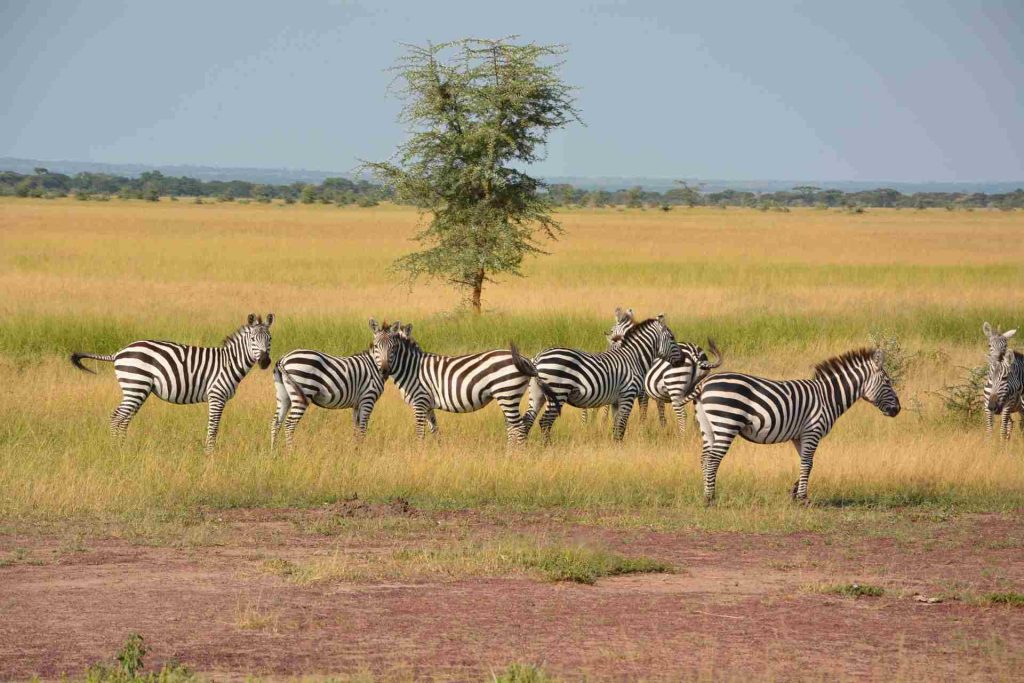
What Is a Safari and What to Expect
A safari is a guided wildlife experience, usually conducted in national parks or protected areas. Game drives typically take place early in the morning and late in the afternoon when animals are most active.What Is a Safari and What to Expect
A safari is a guided wildlife experience, usually conducted in national parks or protected areas. Game drives typically take place early in the morning and late in the afternoon when animals are most active.
What You Should Expect:
Long but scenic drives
Wildlife sightings in natural habitats
Early mornings and relaxed afternoons
Knowledgeable safari guides
Limited internet and phone signal in remote areas
A safari is about patience, observation, and connection with nature rather than fast-paced tourism.
Best Time to Go on Safari
Choosing the right time greatly affects your safari experience.
Dry Season (June – October)
- Best wildlife visibility
- Animals gather near water sources
- Cooler and drier weather
- Peak season with higher prices
Green Season (November – March)
Lush landscapes and fewer tourists
Excellent birdlife and photography
Calving season in some parks
More affordable safari rates
Both seasons offer amazing experiences; the best choice depends on your travel goals and budget.

Choosing the Right Safari Destination
Not all safari destinations offer the same experience.
Key Factors to Consider:
- Wildlife density
- Landscape diversity
- Crowd levels
- Accessibility
- Budget
Popular safari destinations include Serengeti National Park, Ngorongoro Crater, Tarangire National Park, and other renowned African reserves. Each park offers unique wildlife and scenery.
What to Pack for a Safari
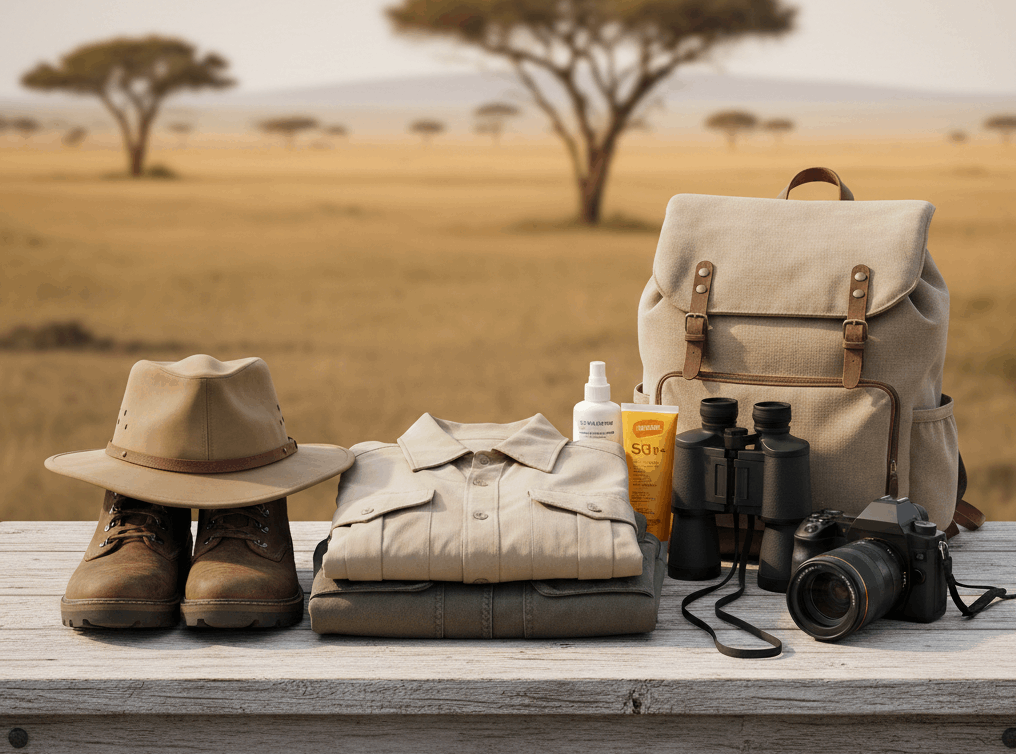
Packing smartly ensures comfort and convenience during your safari.
Safari Packing Essentials:
- Neutral-colored clothing (khaki, beige, olive)
- Lightweight long-sleeved shirts
- Warm jacket for early mornings
- Comfortable closed shoes
- Hat and sunglasses
- Sunscreen and insect repellent
- Camera and binoculars
- Small backpack for game drives
Avoid bright colors and excessive luggage, as many safari vehicles have limited space.
Health, Safety, and Vaccinations
Safety is a common concern for first-time safari travelers, but safaris are generally very safe when organized professionally.
Important Health Tips:
- Consult a travel doctor before departure
- Carry personal medication
- Stay hydrated
- Follow your guide’s instructions at all times
Safari lodges and guides prioritize guest safety and follow strict protocols in wildlife areas.
Safari Rules and Etiquette
Respecting wildlife and nature is essential on safari.
Safari Etiquette You Must Follow:
- Do not stand up in safari vehicles during traveling
- Never feed or disturb animals
- Keep noise levels low
- Follow park rules and guide instructions
- Respect local cultures and communities
These rules protect both visitors and wildlife.
Safari Costs and Budget Expectations
Safari costs vary based on comfort level, duration, and season.
What Safari Costs Usually Include:
- Accommodation
- Meals
- Game drives
- Park fees
- Professional guide
- Safari vehicle
Estimated Safari Price Ranges:
- Budget safari: $200 – $350 per day
- Mid-range safari: $350 – $600 per day
- Luxury safari: $700+ per day
Understanding costs upfront helps avoid surprises.
Accommodation Types on Safari
Safari accommodations range from simple camps to luxury lodges.
Common Safari Accommodation Options:
- Budget campsites
- Mid-range lodges
- Luxury tented camps
- High-end safari lodges
All options are designed to keep guests close to nature while ensuring comfort and safety.
Photography Tips for Safari
A safari is a photographer’s dream, even without professional equipment.
Basic Safari Photography Tips:
- Bring extra batteries and memory cards
- Use a zoom lens if available
- Avoid sudden movements
- Be patient and observe animal behavior
- Listen to your guide for the best angles
Cultural Awareness and Local Interaction
Safaris often pass through or near local communities.
Cultural Tips:
- Dress modestly outside lodges
- Ask permission before taking photos
- Respect traditions and customs
- Support local businesses and guides
Cultural respect enhances your safari experience and benefits local communities.
Common Mistakes to Avoid on Safari
First-time travelers often make simple mistakes.
Avoid These:
- Overpacking
- Expecting zoo-like sightings
- Ignoring guide instructions
- Underestimating travel time
- Skipping travel insurance
Preparation prevents disappointment.
Frequently Asked Questions (FAQs)
Is a safari suitable for first-time travelers?
Yes. Safaris are ideal for first-time travelers when booked with experienced operators.
How many days are ideal for a safari?
5–8 days is ideal for a well-rounded safari experience.
Is it safe to travel with children?
Yes, many lodges welcome families, though age restrictions may apply.
Call to Action
Ready to experience the magic of an African safari?Let experienced local safari experts help you plan a safe, comfortable, and unforgettable journey.
Contact us today to start planning your safari adventure.